

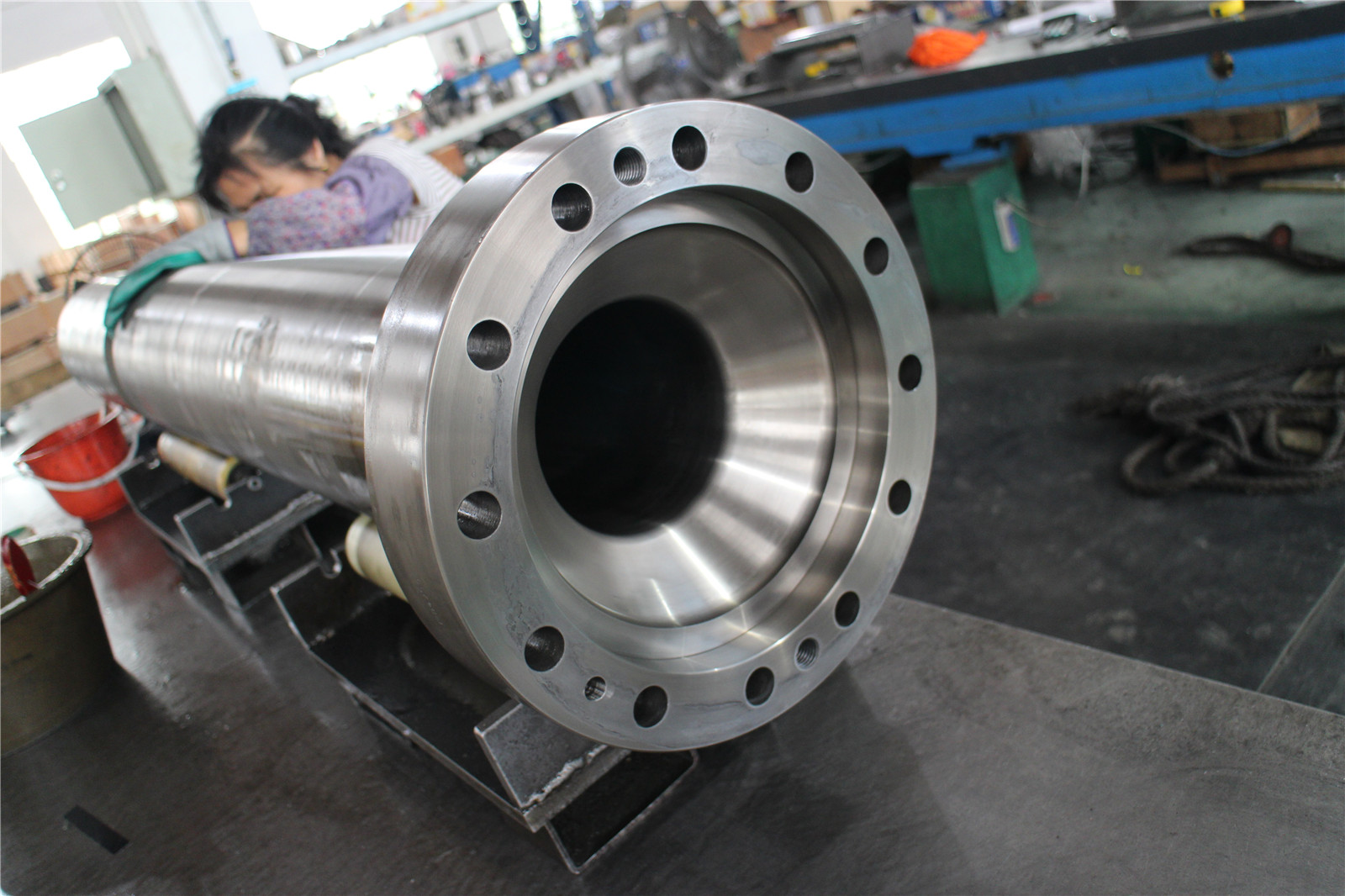
Extrusion screw barrel is a critical component in the plastic & rubber extrusion process. It is responsible for melting and molding the plastic pellets, granules, or powder to form the desired shape. In the manufacturing industry, choosing the right steel and surface treatment for extrusion screw barrel is crucial, as it affects the quality, efficiency, and lifespan of the equipment.
When selecting the best steel for an extrusion screw barrel, it is essential to consider the type of plastic being processed. PVC, PET, HDPE, and PP are four common types of plastics used in the manufacturing industry. Each of these plastics has specific properties, and their processing requires different steel types. For instance, processing PVC requires a steel alloy with high chromium and nickel content, a nitriding surface treatment, and possibly a bimetallic layer to enhance abrasion resistance. On the other hand, processing PET and HDPE requires a steel alloy with high chromium and manganese content, a bimetallic layer, and a nitriding process to provide corrosion resistance.
Besides considering the type of plastic being processed, the addition of fillers and additives should also be taken into account when selecting steel for extrusion screw barrels. Fillers and additives can cause abrasion, corrosion, and wear on the screw barrel, thus necessitating the use of more durable and wear-resistant steels. For example, processing plastics with fillers such as glass fibers, talc, and mica require using alloys with high rates of alloying elements such as tungsten carbide, molybdenum, vanadium, and cobalt.
The surface treatment of the extrusion screw barrel is also essential in enhancing the performance and durability of the equipment. Common surface treatments include nitriding, chrome plating, and bimetallic coating. Nitriding hardens the surface of the steel, making it more wear-resistant and enhancing its corrosion resistance. Chrome plating involves electroplating the surface with a layer of chromium to protect the steel from wear, erosion, and corrosion. Bimetallic coating involves coating the inner surface of the screw barrel with a layer of tungsten carbide to increase the resistance to wear and abrasion
The processing of pellets, granules, and powder requires different extrusion screw barrel designs and specifications. Pellets are small, uniform, and easier to convey, while granules are larger and require more energy to process. Powder, on the other hand, is fine and requires an extrusion screw barrel with a higher L/D ratio to achieve proper melting and mixing. Therefore, it is crucial to choose the right extrusion screw barrel for the type of material being processed to achieve optimal results.
Existing drawings can be used to improve the output of an extrusion screw barrel. The drawings can indicate any flaws in the design, such as incorrect dimensions, mismatched materials, and poor alignment. Correcting these flaws can improve the output and quality of the equipment. It may also be necessary to modify the design of the extrusion screw barrel to accommodate any changes in materials or processing conditions.
In conclusion, selecting the right steel and surface treatment for an extrusion screw barrel is critical for the success of the plastic extrusion process. Understanding the specifications required for processing different types of plastics, as well as fillers and additives, is essential. It is also important to consider the type of material being processed, whether it is pellets, granules, or powder, and choose the correct extrusion screw barrel with the appropriate design and specifications. By following these guidelines, manufacturers are assured of quality output, optimal performance, and improved efficiency.


